

Become a HERO Organiser
Bring HERO Challenge to your university, club or robotics tournament.
Start with ground navigation, microdrone navigation or both, depending on your space and equipment. Give beginners time to practise before their timed runs, with one vehicle on each course at a time.
Choose your first challenge
Ground navigation
Drive through numbered checkpoints on a flat course, then stop in the finish zone.
Microdrone navigation
Take off, fly through the gates in order and land in the finish zone inside the enclosed flight area.
Illustrative courses. Adapt the layout to your venue and approved equipment. Publish the actual route, checkpoint or gate sequence, clearances and scoring for your event.
Equipment examples
From HERO purchases. Other compatible models are welcome. Check power, connectors, controls and FPV video against your chosen class.
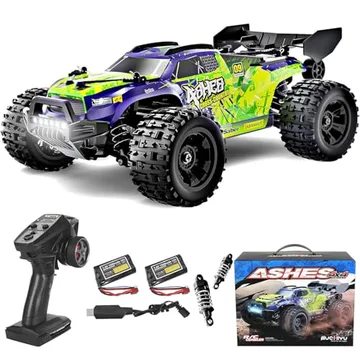 4×4 RC car
Ground navigation platform
View product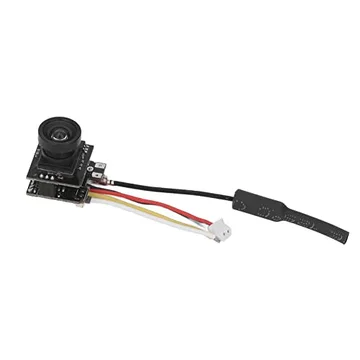 Keenso AIO FPV camera
Onboard camera and 5.8 GHz video transmitter
View product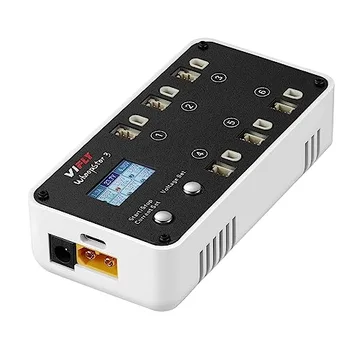 VIFLY WhoopStor V3
Six-port charger for compatible 1S batteries
View product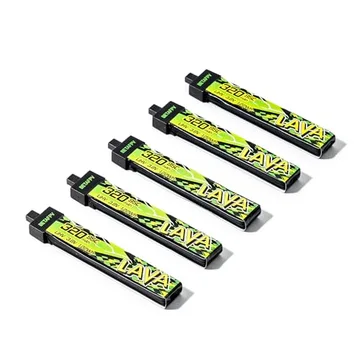 BETAFPV Lava II 320 mAh
1S LiHV batteries with BT2.0 connectors
View product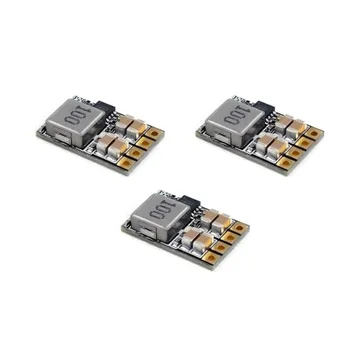 MEIVIFPV BEC
Voltage regulator for a compatible FPV installation
View product
Plan quantities and sourcing
Example quantities for one vehicle running at a time, with one spare per discipline. Scale to your activities, participants and simultaneous courses.
Mark what you can provide, then get local quotes for what is missing. Your selections stay on this page until you leave or reload.
- Small RC carsOne in use and one spare.2
- Microdrones with full propeller guardsOne in use and one spare.2
- Compatible radio controllersTwo if shared across the vehicles. For different systems, budget compatible controllers and spares for each discipline.2
- FPV goggles or headsetsOne in use and one spare. Each FPV vehicle needs a compatible onboard camera and video transmitter.2
- Power and sparesBatteries, chargers and cables for vehicles, controls and goggles. Include spare batteries, propellers and basic tools.To size locally
- Venue and course materialsCourse markers, barriers, flight containment, tables and power.To size locally
- Local event teamRegistration, inspection, radio coordination, safety, timing and results.To size locally
- Equipment transportInclude transport for the equipment and course materials you plan to bring.As needed
Preparation checklist
The host confirms venue permissions and the conditions that apply to the chosen activities. Publish equipment classes before entries open, and final Single Robot course and scoring details at least four weeks before the first competition day.
Example programme
- 01Check-in & inspection
- 02Briefing & practice
- 03Scored runs
- 04Results & awards
Set times to suit your venue and entries, then publish them on the event page.
Navigation judging
Ground and Air navigation: the best completed attempt counts. Record team, attempt, elapsed time, penalties and result.
Send your proposal
Include your institution or club, contact name, city and country, approximate dates and possible venue. In the proposal, describe your space, preferred challenges, local equipment and the support you need. A short outline is enough to begin.
Send a short proposal
Sign in with a verified email and describe your institution, location, dates and plan.
Review with HERO
A HERO administrator reviews the proposal. Together we agree the challenges, available support, local responsibilities and schedule.
Publish the agreed event
Once approved, HERO publishes the event and programme. Organiser access is handled through the event access process.
Want your event to count towards Tokyo qualification? Include that request. Recognition depends on HERO review and the season calendar. Qualifying categories must be announced before the event, and official results are verified under the current qualification policy.
Tokyo qualification policy